
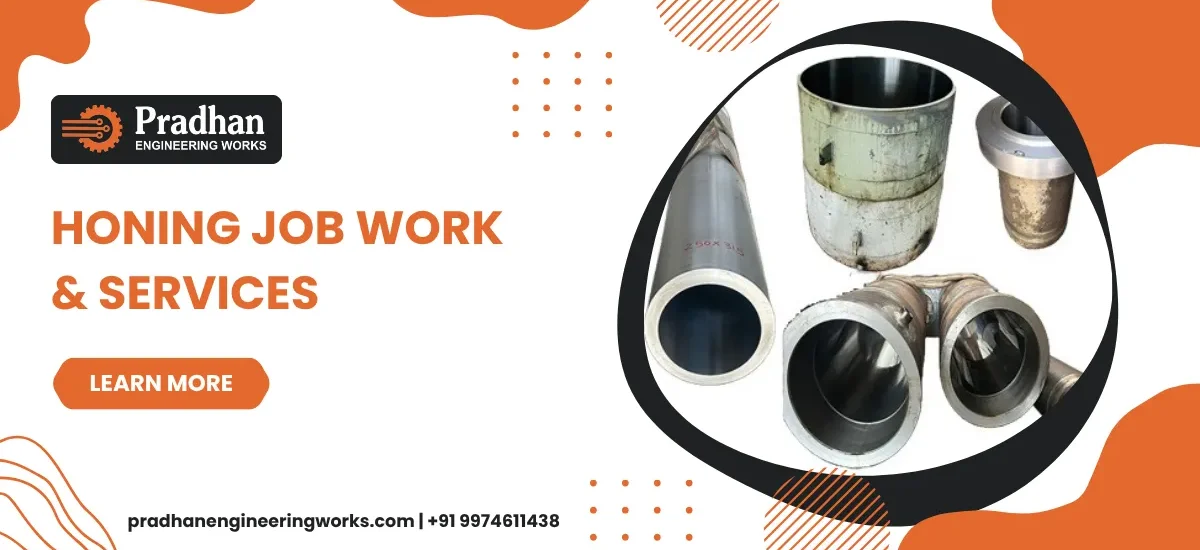
Understanding Industrial Honing Job Work: Process and Key Benefits
In precision engineering, the internal surface quality of a cylindrical component can directly influence its performance. Components used in hydraulic cylinders, pneumatic systems and industrial machinery often require accurate internal dimensions and a smooth bore finish. Honing job work is an important machining process used to improve these characteristics and prepare cylindrical components for their intended applications.
For manufacturers working with tubes and cylindrical components, understanding the purpose of honing, its benefits and the importance of dimensional accuracy can help in selecting the right finishing requirements. This guide explains the role of industrial honing job work and the factors to consider when choosing a suitable service provider.
What Is Honing Job Work?
Honing is a precision machining process that improves the internal surface finish and diameter accuracy of cylindrical components. It is used when a component requires a controlled bore size and a more uniform internal surface.
During the process, specialized honing tools work against the internal surface of the component to refine its finish and achieve the required dimensions. The final result depends on the initial condition of the material, the specified bore size and the required finishing standards.
Tube honing job work is particularly relevant to industrial applications where the internal bore plays an important role in the movement and functioning of assembled components.
Why Is Internal Surface Finishing Important?
The internal surface of a cylindrical component is not just a dimensional feature. It also affects how other components interact with it during operation. A suitable surface finish and accurate bore dimensions are important for reliable performance.
1. Improved Surface Smoothness
One of the main purposes of honing is to achieve uniform internal smoothness. A properly finished bore helps support the movement of components inside the cylinder and provides a suitable surface for the intended application.
2. Better Diameter Accuracy
Dimensional accuracy is essential when manufacturing cylindrical components. Honing helps refine the internal diameter to meet specified bore dimensions and tolerances. This is important when components must match a particular engineering design.
3. Reduced Friction and Wear
An appropriate internal surface finish can help reduce unnecessary friction between moving components. This supports smoother operation and helps minimize wear during regular use.
4. Consistent Component Performance
When internal finishing and dimensional requirements are properly controlled, the finished component can provide more consistent performance in its intended industrial application.
Where Are Honing Services Used?
Industrial honing job work is relevant to several sectors that use precision cylindrical components. The suitability of the process depends on the component design and its internal finishing requirements.
- Hydraulic Applications: Internal finishing of cylindrical components used in hydraulic systems.
- Pneumatic Applications: Precision bore finishing for components used in pneumatic equipment.
- Automotive Applications: Finishing requirements for selected cylindrical engineering components.
- Industrial Machinery: Bore finishing for components used in manufacturing equipment.
- General Engineering: Precision machining requirements involving cylindrical surfaces.
Important Factors in Precision Honing Job Work
Before starting a honing operation, manufacturers should clearly define the technical requirements of the component. The following factors help determine the appropriate finishing process.
Internal Diameter and Tolerance
The required bore diameter should be confirmed before processing. Dimensional tolerance must match the component drawing and intended application. Accurate measurements help ensure that the finished component meets the required specifications.
Material Grade
The material being processed is another important consideration. Its characteristics and initial condition can influence the machining approach and finishing requirements.
Initial Surface Condition
The condition of the internal surface before honing should be evaluated. Existing machining marks, dimensional variations and material condition may influence the work required to achieve the desired finish.
Final Surface Finish
The required internal finish should be clearly communicated before the job begins. Surface quality should be considered together with bore dimensions and tolerance rather than as an isolated specification.
Technical Specifications for Honing Job Work
Pradhan Engineering Works lists the following technical specifications on its honing job work and services page:
- Material Grade: DIN2391 BK + S ST52
- ID Tolerance (Honed/SRB): H8
- Dimensions: ID 32 – ID 600
- Length: 3 metres – 6 metres
These are the specifications listed for the product range on the website. Actual job requirements should be confirmed according to the component drawing and application.
Honing Job Work and Related Industrial Products
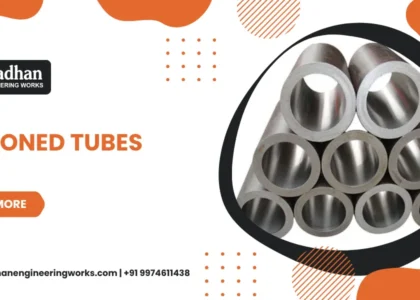
Honing requirements are closely connected with the selection and preparation of precision tubes. Manufacturers can explore Seamless Honed Tubes and Ready To Hone Tubes for tube options used in hydraulic and industrial applications.
For additional tube requirements, the Pre Honed Tubes range provides another option with an internally finished surface. Related precision-engineered components are also available through the Hard Chrome Plated Rod and Induction Hardened Rod product pages.
Choosing a Suitable Honing Job Work Provider
Selecting a suitable provider for precision honing services requires attention to technical details and the actual requirements of the component. Manufacturers should discuss bore dimensions, material grade, tolerance, initial surface condition and expected finishing requirements before proceeding.
Pradhan Engineering Works provides honing job work and honing services for industrial, automotive and hydraulic applications. The company’s website highlights its focus on internal surface smoothness, dimensional accuracy and component durability.
Conclusion
Honing is an important precision machining process for cylindrical components that require accurate internal dimensions and a smooth surface finish. From hydraulic and pneumatic applications to industrial machinery, properly specified honing work supports reliable component operation.
Understanding bore dimensions, material grade, tolerance and surface requirements before processing helps manufacturers make informed decisions about their finishing needs.
To discuss your honing job work requirements and technical specifications, contact Pradhan Engineering Works.


 Users Today : 2
 Users This Month : 213
 Total Users : 1329